

The keto diet has become very popular. How does it work and what are the potential risks?
When juice fasting, intermittent fasting, or severely restricting carbohydrates, the body’s glucose reserves become depleted. This triggers the liver to increase production of ketone bodies (acetoacetate, beta-hydroxybutyrate, and acetone) from fatty acids.
These ketones can cross the blood-brain barrier and serve as an alternative fuel source for the brain and other organs when glucose is limited.
People often go on a keto diet to lose weight. However, there are problems associated with a keto diet of mostly meat, fish and animal fats. Here are some of these risks:
- Increased risk of heart disease: The keto diet is high in saturated fats from animal sources like meat and dairy, which can raise LDL (bad) cholesterol levels and increase the risk of heart disease and stroke.
- Nutrient deficiencies: Restricting entire food groups like grains, fruits, and many vegetables can lead to deficiencies in important nutrients like fiber, vitamins B and C, magnesium, and potassium.
- Kidney stones: The keto diet causes more acidic urine, increasing the risk of developing kidney stones. Those with existing kidney disease should avoid this diet.
- Liver problems: The high fat content of the keto diet can potentially worsen existing liver conditions as the liver has to work harder to metabolize the excess fat.
- Constipation: The lack of fiber-rich foods like grains, fruits, and vegetables on the keto diet can lead to constipation.
- “Keto flu”: In the initial stages, the keto diet can cause symptoms like headaches, fatigue, dizziness, nausea, and poor exercise tolerance as the body adjusts to using fat instead of carbs for fuel.
While the keto diet may lead to short-term weight loss, the potential long-term risks seem to outweigh the benefits. Since juice fasting, intermittent fasting and a plant-based diet also produces ketones, these are much safer alternatives to losing weight and to be healthy long term.
Citations:
https://www.health.com/weight-loss/keto-diet-side-effects
https://www.health.harvard.edu/staying-healthy/should-you-try-the-keto-diet
https://www.ncbi.nlm.nih.gov/pmc/articles/PMC7480775/
https://www.healthline.com/nutrition/dangers-of-keto-diet
https://www.atlantichealth.org/about-us/stay-connected/news/content-central/2023/keto-diets-and-heart-health.html
Other Blogs Posts

10 Benefits of Juicing
The main purpose of juicing is to cleanse the body of waste products on an intermittent basis. It is a beneficial and safe detox method. When fasting on juice for more than 1 day, it is important that you have more vegetables than fruits in your juice to increase...
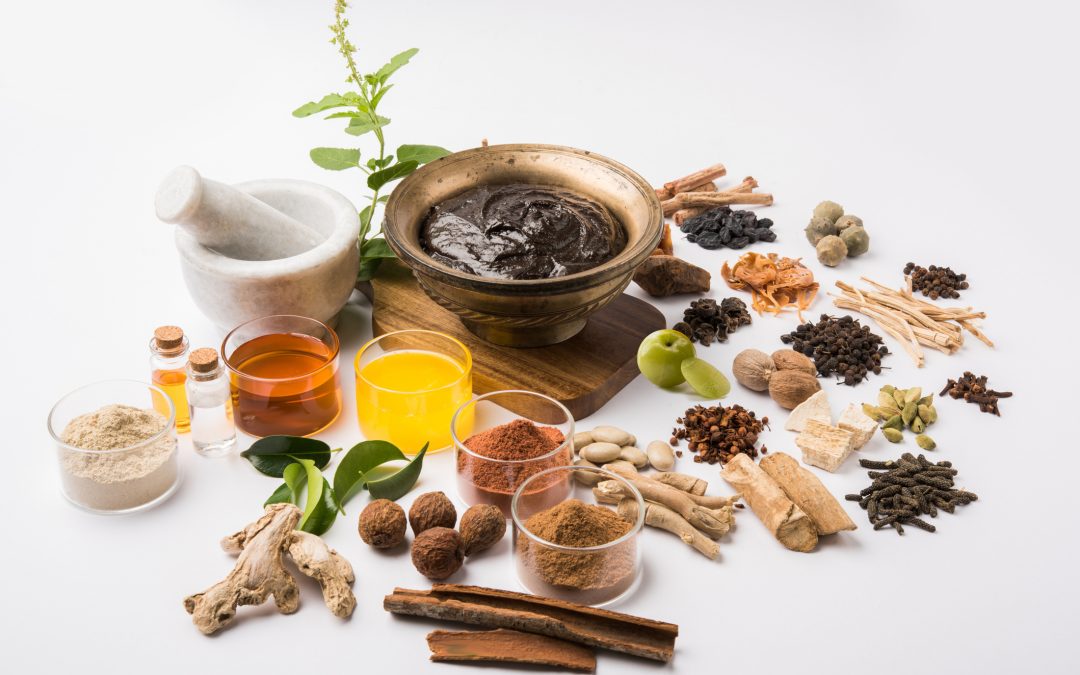
Ayurveda and Juice Cleansing
We do not normally associate juice cleansing with Ayurveda, but this ancient system of healing can offer helpful tips to enhance your cleansing experience. The studies on fasting by Dr. Yoshinori Ohsu, who won the Nobel prize in 2016, has shown that fasting induces a...
ABOUT THE AUTHOR

Ramesh Bjonnes
Ramesh is the Director of the Prama Wellness Center where lifestyle is considered our best medicine. Ramesh is also a writer, yogi and workshop leader. He studied yoga therapy in Nepal and India, Ayurveda at California College of Ayurveda and is a certified yoga detox therapist from the AM Wellness Center in Cebu, Philippines. He has taught workshops in many countries and is the author of four books, including Sacred Body, Sacred Spirit (InnerWorld) and Tantra:The Yoga of Love and Awakening (Hay House India).
