

The Yamas of Caring for Others for Social Balance
Via | Sid Jordan | April 8th 2020
Paradoxically, caring for one’s self invariably means caring for others as well. It is a part of our human nature to care for one another. To neglect caring for ourselves is to neglect being able to properly care for others. Our individual mental and emotional well-being is inextricably intertwined with our collective well-being. Thus we need a set of guidelines that supports this interconnectedness of balancing care of self and others. In the practice of Yoga, this set of practical guidelines is Yama (care of others) and Niyama (care of self), which promotes our common welfare according to time, place and person.
These guidelines escape the dogmatic dictates of “never think, say, or do this” or “always think, say, or do that”. This is illustrated in the yama called “ahimsa”, which supports not consciously harming anyone by thought, word or action yet also recommends taking the necessary steps to protect yourself and others when threatened. This is especially helpful when you need to tell people to maintain social distance during the coronavirus threat.
The yama called “satya” espouses that to speak the truth benevolently requires different thinking and wording depending on the people, place and timing for those involved. An example would be the way you choose to share the news of an illness or death in the family for different people based on age and closeness to the ill or deceased. This discriminating use of the truth serves everyone. While we need to eventually embrace the “whole truth” half-truths may help protect the innocent until the full truth finds its appropriate moment for revelation.
“Asteya”, non-stealing, can mean being attentively present when others are sharing their story. Active listening is extremely important in this time of crisis so as not to take the speaker’s valuable time and discount their feelings. “Not listening” may be the largest example of stealing with which humanity could be charged. While not taking other’s personal property is the most material form of asteya, this principle involves not even having the thought of stealing.
The yama, “aparigraha” or living simply means taking and utilizing only what you need so as not to deprive others. This principal is especially important now when shopping for groceries and supplies. More broadly, this is an ecological principle that encourages the most efficient utilization of all natural resources, especially when supplies are threatened.
The last yama, “Bhramacayra”, is applied in the ideation of “the actor, the act, the recipient of the act and the results of the action” are all part of a unified field, Oneness or Divine Presence, depending upon your cosmology. From another angle “to give is to receive and to receive in to give.”
Thus in caring for others we care for ourselves. In the next blog we will explore the niyamas of caring for the self for personal balance.
Sid Jordan
Prama Institute Staff
In 1994 he moved to Asheville NC to develop an eco-village to support the service community of Ananda Girisuta (Blissful Daughter of the Mountain) on the French Broad River near Marshall, NC. In 1997 he trained to be an Ananda Marga Family Acarya (Yoga Teacher) in India committed to giving personal instructions in meditation and yoga. He currently serves as president of the Ananda Marga Gurukula Inc. Board in the US, supporting Neohumanist Education k-colleges worldwide. He is Director of the Prama Institute on the Ananda Girisuta property where he helps direct programing and teaches yoga psychology and spiritual practices. At the Prama Wellness Center he teaches yoga therapy and stress management to individuals and groups. He continues to offer his 40 years of experience and teaching of yoga psychology, philosophy and practices to audiences worldwide.
Additional Blogs!

Food and Fasting for Healing and Health
If the body naturally detoxes every day, even while we sleep, why is it still important to detox with a juice cleanse or alkaline superfoods? Because the food we eat is not always healthy or alkaline; it may contain too much acid-producing processed flour, sugar, animal fat, and dairy. When we overeat, too many toxins are left in the body. Stress is another reason; too much work and too little sleep will create imbalances in the body’s digestive ecology.

What’s Really Behind Your Toxic Load?
Scientists have found that microbiomes are essential in shaping the development of innate and adaptive immunity and, in turn, the immune system shapes the microbiome.
So how can we improve our microbiome, which is primarily located in the gut, and thus improve our immune system?

The Dirt on Immunity: How Soil, Sauerkraut, and Whole Foods Feed Your Gut
Scientists have found that microbiomes are essential in shaping the development of innate and adaptive immunity and, in turn, the immune system shapes the microbiome.
So how can we improve our microbiome, which is primarily located in the gut, and thus improve our immune system?
Other Blogs Posts

Hara Hachi Bu: Eating as Lifestyle, Not Dieting
We are taught to think of hunger as a cry from the stomach. But true hunger begins not in the belly, but in the subtle workings of the mind. Long before modern science confirmed this, the Okinawans, guided by Confucian teachings, lived by a profound simplicity of...

8 Health Tips from a 105-Year-Old
Dr. Shigeaki Hinohara, a famous Japanese doctor who lived to 105, shared simple habits and ideas for living a longer, healthier, and happier life. Here are his 8 key points: Keep moving: Stay active throughout the day by walking, taking the stairs, and engaging in...
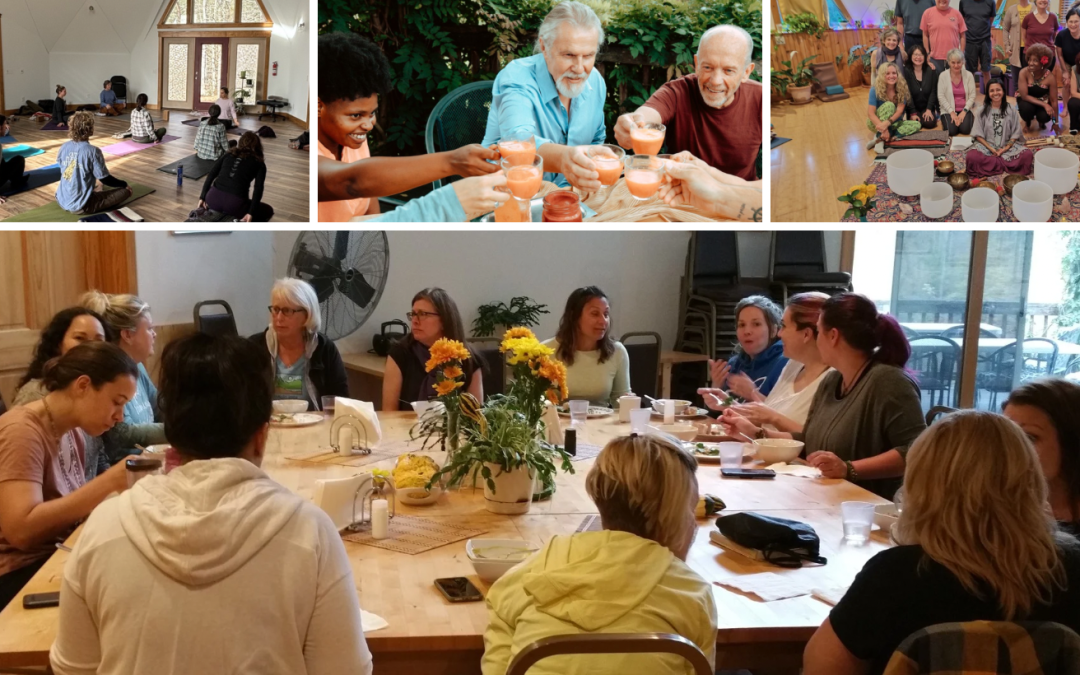
Experience Prama’s Ultimate Cleanse!
10-Day Juice Cleanse and Yoga with Sound Bath Sessions Why Choose the 10-Day Prama Juice Cleanse? Twice a year, Prama Wellness Center offers its most transformative retreat: a 10-day juice cleanse designed for those seeking profound renewal and deep...

Seven Reasons Why Water Is So Important to Your Health
Three decades ago, under the sweltering sun in India, I realized how important fresh and clean water is to life. I had been walking for hours in100 degrees Fahrenheit. Suddenly, I sank to my knees with exhaustion due to dehydration. Water is indeed essential for...
